Lifestyle trends, economic pressure, and technology are constantly evolving, and simultaneously reshaping the specialty vehicle industry. As a dealer, how can you keep up in a market defined by both growth and disruption? The first step involves being aware of industry shifts. Here are some trends and tips to help your dealership stay ahead.
The RV Revolution: Freedom, Family, and Economic Impact
Americans' appetite for RV travel continues to grow, driven by a desire for outdoor experiences and flexibility. The RV industry now contributes $140 billion annually to the U.S. economy.
Surveys indicate strong long-term interest in RVing, with 58% of RVers expecting to continue the lifestyle for the next five years. Young families in particular show remarkable loyalty: 84% plan to buy another RV, and 90% intend to stick with the same brand. Their motivations are relaxation, nature exploration, and new vacation experiences, emphasizing the lifestyle appeal of RV ownership.
While the RV market shows signs of strength, make sure your dealership is equipped to handle rising consumer demand and expectations. With more people committing to the RV lifestyle, your dealership must increase its maintenance capacity. Implement strategies to maximize service bay efficiency and the customer experience. Common complaints include long wait times, denied warranty claims, insufficient diagnostics, and slow part availability.
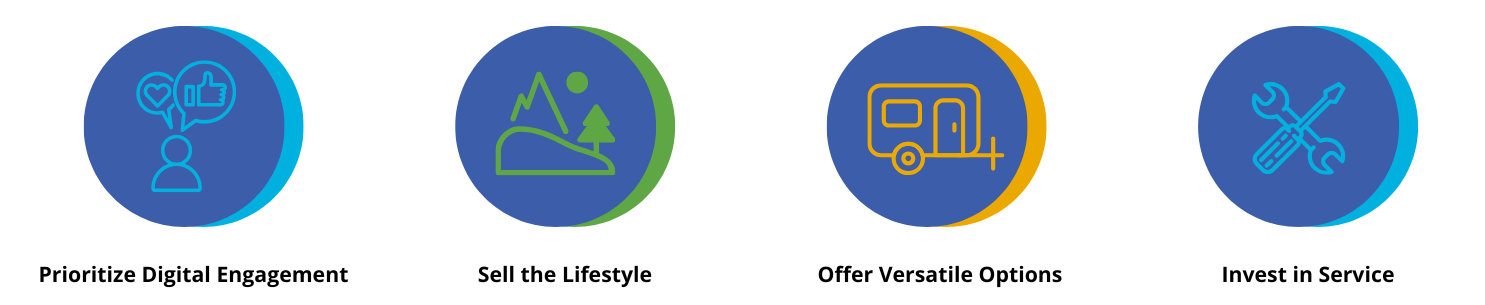
These trends point to four key strategies for connecting with today's buyers:
- Prioritize Digital Engagement: Many customers research and purchase through dealer websites, RV listings, and social media channels.
- Sell the Lifestyle, not Just the Vehicle: Content marketing around family bonding, state parks, and travel flexibility can resonate strongly.
- Offer Versatile RV Options: With truck ownership declining, lighter RV models that can be towed by a smaller vehicle open the market to a wider audience.
- Invest in Service: Responsive, transparent, and customer-friendly service departments improve customer retention and give you a competitive advantage.
By aligning marketing and inventory strategies with these insights, you can better capture the loyalty and enthusiasm of the next generation of RV owners.
Marine Momentum: Meeting Customer Expectations
The U.S. marine industry has faced significant pressure since the pandemic peak of 2021. New boat sales have fallen to 2012–2013 levels, making this the toughest market in over a decade. Rising tariffs, inflation, and reduced consumer buying power have pushed many would-be buyers out of the new-boat market altogether.
Yet, as affordability tightens, boaters who still want to enjoy the water are making it work. Here are four consumer trends to note:
- Preowned boats are becoming more popular, providing accessible options for value-conscious buyers.
- Consumers are increasingly favoring boat rental experiences over ownership
- Buyers are showing greater interest in innovative boat features and a more connected sales experience.
- International tourists and Gen Z are showing more interest in leisure boating, boosting demand for boating activities, accessories, and upgrades.
As a dealer, success in this environment depends on meeting customers where they are:
- Expand charter and rental offerings alongside traditional sales to capture tourism-driven demand.
- Spotlight value-added experiences and digital features that differentiate boats and service beyond the price.
- Develop accessory and upgrade bundles, from electronics and safety gear to fishing and comfort enhancements, to meet ongoing demand.
- Appeal to Gen Z through digital-first engagement. Feature customization options, technology demos, and lifestyle content across social media and other online platforms.
By shifting focus from one-time transactions to ongoing engagement, you can turn changing consumer behavior into reliable revenue streams.
Trailer Trends: Growth on the Horizon
Today, the trailer market stands at $64.61 billion and is projected to reach $96.9 billion by 2030. Several key trends driving this growth include:
- Eco-friendly and lightweight materials
- Safety and collision avoidance systems
- Autonomous and connected trailers
- Advanced aerodynamics and customization
- Smart trailer technologies
As the market evolves, you have an opportunity to position your dealership as a trusted partner by:
- Educating Customers on Value: Highlight how eco-friendly materials, smart tech, and aerodynamic designs translate into real-world savings such as fuel efficiency, reduced maintenance, and safer operation.
- Positioning Trailers as Solutions, not Products: Underline how your selection of trailers can solve specific customer challenges, whether for commercial logistics or recreational convenience.
- Leveraging Technology as a Selling Point: Use an advanced dealer management system to keep up with consumers' digital expectations, streamline the sales experience, and help your dealership run more efficiently.
By capitalizing on market trends, you'll be able to engage a larger group of consumers and make the most of the industry's growth potential.
Heavy-Duty Truck Tactics: Utilization, Uptime, and Aftermarket Opportunity
In 2025, the North American heavy-duty truck market adjusted to a challenging phase, preparing for a projected 7% decline in new truck and bus sales. Updated regulatory assumptions, slowing economic conditions, and the continued impact of tariffs shifted the outlook from potential expansion to contraction. Looking ahead, experts are cautiously optimistic for a better year in 2026.
Rather than refreshing equipment, fleets across the country are focused on maximizing utilization by extending equipment life and making investments in operational efficiency — meaning higher expectations for fast and effective dealership repairs.

This shift illustrates three key growth areas for your service department:
- Rising Aftermarket Demand: Aging fleets are staying in service longer, driving increased need for ongoing maintenance and repair support.
- Rapid Access to Critical Components: Timely availability of exhaust, steering, and drivetrain parts is essential to minimizing downtime and improving service department efficiency.
- Operational Reliability Builds Loyalty: Service speed and parts readiness now play a direct role in retaining fleet customers and strengthening long-term relationships.
As new unit sales soften, the role of your dealership evolves. Success in the heavy-duty segment depends less on inventory turnover and more on being a reliable operational partner. By investing in parts sourcing, technician readiness, and proactive fleet support, you can offset slower sales cycles while strengthening customer retention.
Powersports Progress: Customization and Electric Options
With rising interest in sports activities, the powersports industry has reached $37.04 billion and is expected to hit $51.62 billion in 2030. Additional market trends include:
- Growth of electric and hybrid vehicles
- Smart, connected, and autonomous capabilities
- Heightened demand for towing and hauling capacity
As a dealer, staying on top of evolving customer interests ensures you're prepared to maximize inventory selections and set effective sales strategies.
Commercial, Emergency, and Golf Vehicle Markets
Specialized vehicle markets, including the commercial, emergency, and golf cart markets, continue to expand as consumer preferences and needs change.
- Commercial bus demand is increasing from urbanization and electrification initiatives, though infrastructure and large upfront costs remain obstacles.
- Emergency vehicle demand is experiencing steady growth, driven by increasing needs for healthcare and medical services.
- Golf carts are seeing widespread adoption beyond traditional golf courses, expanding into residential communities, airports, and industrial facilities, with electric and solar-powered models leading the charge.
To capitalize on these emerging trends, you can adapt your dealership's marketing and product strategies to emphasize sustainability, safety, and convenience.
Key Takeaways for Dealers
- The Customer Experience Is Priority: The RV, marine, and powersports markets' post-sale service can make or break brand loyalty.
- Digital Engagement Drives Sales: Websites, social media, and online listings are increasingly critical for reaching younger demographics.
- Vehicle Preferences Are Changing: Lightweight RVs, eco-friendly trailers, electric powersports, and connected solutions are the new baseline expectations.
- Customers Value Lifestyle and Experiences: Consumers are buying freedom, adventure, and convenience, not just vehicles.
- Preowned and Rental Markets Offer Opportunity: These segments provide stability when new vehicle sales fluctuate due to economic conditions.
These industry shifts indicate the importance of balancing innovative products, responsive service, and lifestyle-focused marketing. By paying attention to key trends, your dealership can continue to grow while meeting the evolving expectations of a diverse customer base.